
The work.
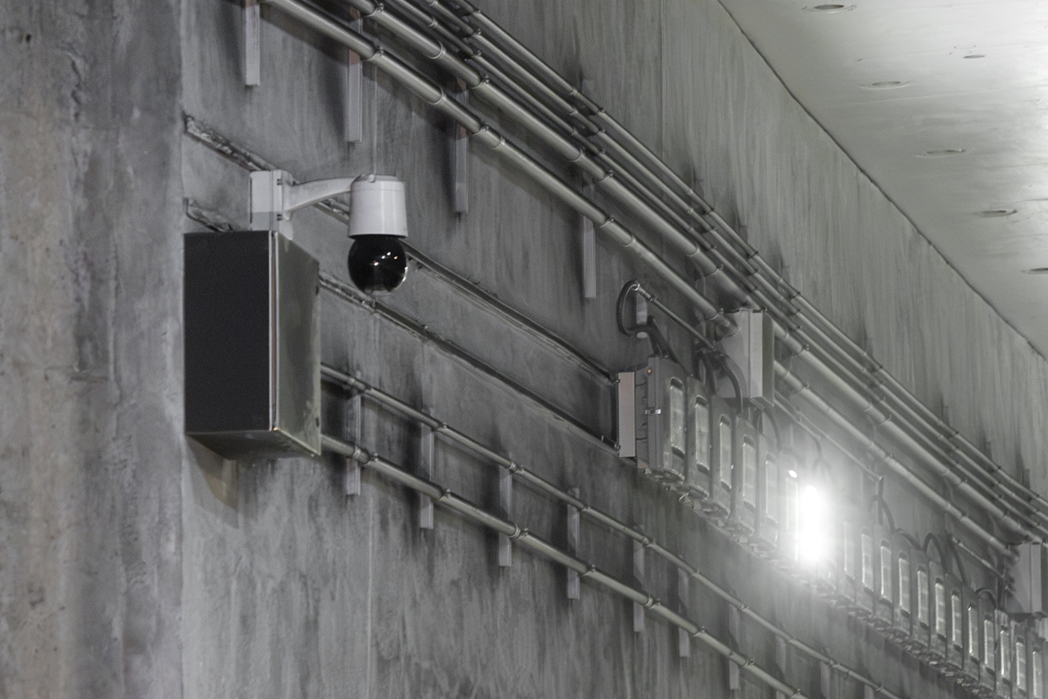
$21.6 million program tying the I-710 freeway and the parallel arterial network into one system. At 170 intersections across 13 agencies: 110 new traffic signal controllers and conflict monitors, 49 video detection systems, 20 CCTV systems, a wrong-way driver detection system, 5 dynamic message signs, pedestrian safety improvements at 21 intersections, air-quality monitoring at 8 locations, new controller cabinets at 12 intersections, 72 C-V2X roadside units, and a rebuilt communications and CCTV system.
The benefit.
Integrated corridor management means the freeway and the local streets operate as one system. When something happens on the 710, Caltrans and 13 cities can share cameras, signs, and signal timing in real time. Trucks stay on the goods corridor, drivers get information before they pile onto the next off-ramp, and neighborhoods along the freeway take less of the overflow. Pedestrian and bicycle work on the parallel arterials, plus air-quality monitors, are part of that same picture: the corridor works for freight and for the people who live next to it.